Architectural Glass Traits Shaping Urban Skylines in 2025
Modern glass models are no longer limited by traditional windows. Lately, architectural glass has become a decoration in equally homes and commercial buildings, giving not only aesthetics but also useful benefits. Statistics reveal that the usage of custom tempered glass in new residential tasks has improved by almost 20% over the past five years. Homeowners are drawn to the natural gentle, beautiful views, and open feel that glass provides. In commercial controls, glass is making significant influences on output and client perception. Knowledge from new office style surveys suggest that rooms with extensive glass sections experience larger staff pleasure and improved collaboration. Big glass walls and surfaces are replacing heavy products, creating a sense of transparency and modernity.

When selecting glass , you will find numerous alternatives available. Distinct glass remains the most used choice, with a reported 45% of residential projects incorporating it in windows, doors, and skylights. Frosted or distinctive glass is increasing interest, specially in bathrooms and company partitions, because power to keep up solitude while still allowing gentle to move through. Laminated and tempered glass , on one other give, is preferred for protection and durability. New statistics demonstrate that tempered glass use in industrial buildings has grown by 30% previously three years. Power efficiency is another driving factor behind glass selection. Double or triple-glazed glass has turned into a typical in modern properties, with study featuring a 15-25% reduction in heating and cooling costs when compared to single-pane windows. In downtown company structures, low-emissivity coatings are significantly used to reduce temperature transfer, leading to both lower energy bills and a smaller environmental footprint. Artistic developments in architectural glass continue to evolve. Tinted and reflective glass choices are on the rise, particularly in high-rise office buildings. Industry studies suggest that houses with reflective glass façades are 40% more likely to entice advanced tenants. Meanwhile, in residential projects, homeowners are discovering shaded and patterned glass for decorative purposes, enhancing equally rooms and exteriors.
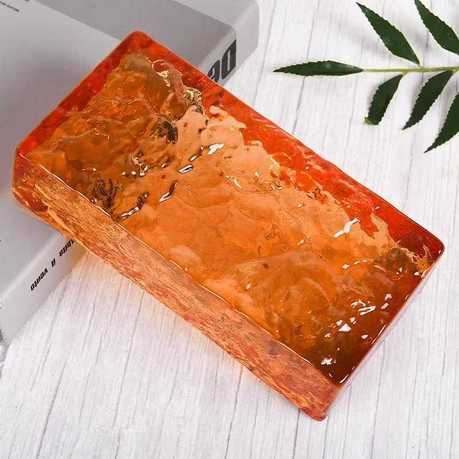
Maintenance and durability are also critical considerations. Statistical surveys suggest that homeowners choose glass that is simple to wash and resilient to scratches or weathering. In industrial projects, toughness is critical, specially in high-traffic places such as for example lobbies, conference rooms, and storefronts. Organizations record that purchasing high-quality glass transparent reduces long-term alternative and fix charges by an projected 20%. Glass engineering innovations aren't slowing down. Intelligent glass , which can change opacity with the feel of an option, is emerging in both residential and professional markets. Use charges are rising steadily, with some studies projecting a 50% increase in intelligent glass installations around another five years. This invention allows powerful control over solitude, light, and power performance, making it an attractive selection for future-ready buildings. Over all, architectural glass is shaping just how spots were created and experienced. Whether for a house or a professional challenge, understanding the newest trends, data, and possibilities guarantees the best choices are created for equally performance and style. From obvious and frosted systems to energy-efficient and smart glass , the options continue steadily to grow, reflecting the rising significance of glass in contemporary architecture.